Diego Rivera
Mexican, 1886–1957
Diego Rivera (1886–1957) was a Mexican painter who became one of the most significant figures of early twentieth-century modernism. After receiving a government scholarship in 1907, he traveled to Madrid and Paris, immersing himself in avant-garde movements. Between 1908 and 1917, Rivera experimented intensely with Cubism, engaging with the fractured perspectives of Picasso and Braque. Unlike his somber European contemporaries, he developed a distinctive approach using vivid colors, seen in works like El Picador (1909), Landscape (1911), and numerous portrait studies. His Cubist works demonstrated revolutionary approaches to form and perspective that rejected traditional representation in favor of fragmented, multi-viewpoint compositions. Around 1917, inspired by Cézanne and the Italian Renaissance, his style shifted toward Post-Impressionism. He later returned to Mexico to pioneer monumental mural painting, fundamentally transforming twentieth-century public art.
19 works
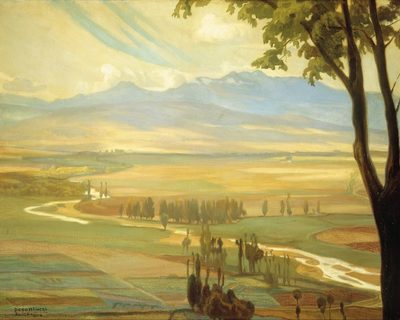
Avila Morning, the Ambles Valley, 1908
From $49
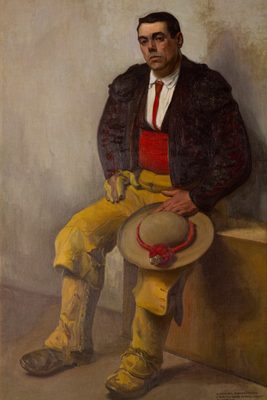
El Picador, 1909
From $49
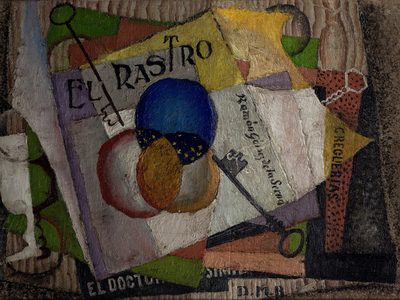
El Rastro, 1915
From $49
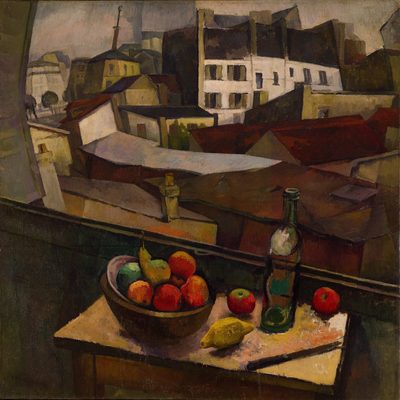
Knife and Fruit in Front of the Window, 1917
From $59
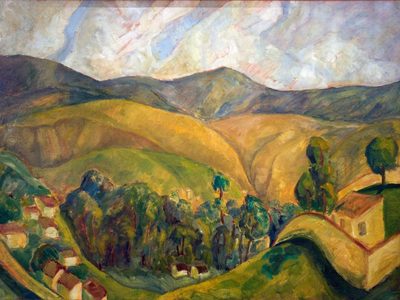
Landscape, 1911
From $49
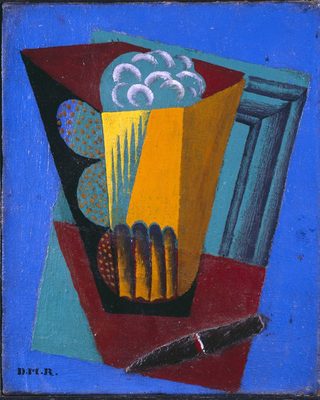
Le Bock, 1917
From $49
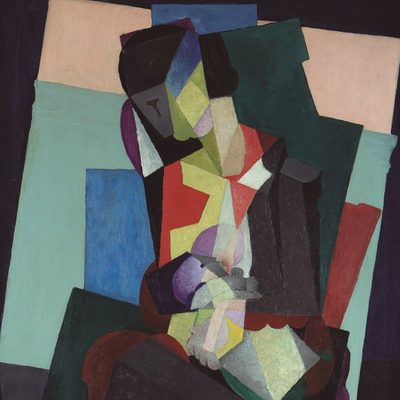
Motherhood, Angelina and the Child Diego, 1916
From $59
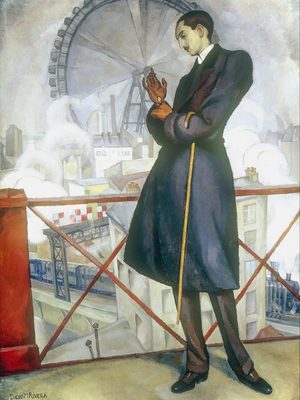
Portrait of Adolfo Best Maugard, 1913
From $49
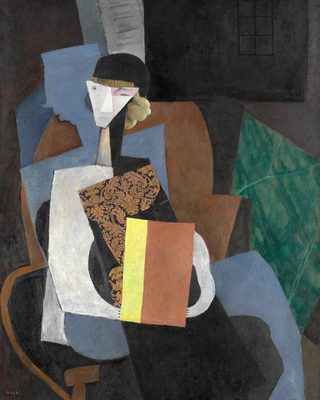
Portrait of Marevna, Maria Vorobieff-Stebelska, 1915
From $49
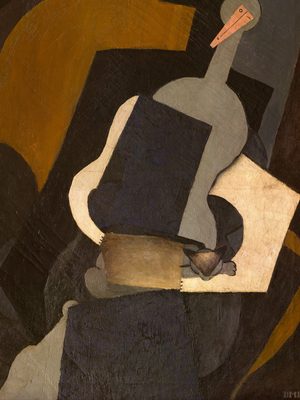
Seated Woman, Women with the Body of a Guitar, 1915
From $49
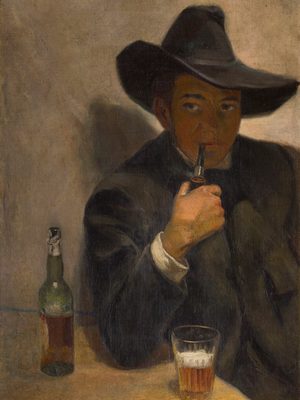
Self-portrait with Broad-Brimmed Hat, 1907
From $49
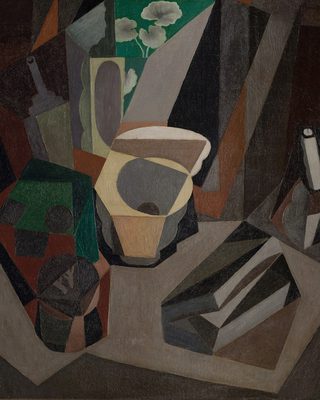
Still Life with Utensils, 1917
From $49
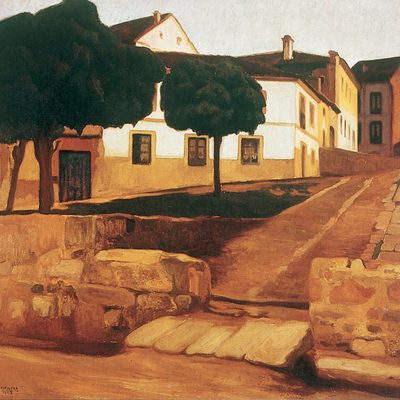
Street in Avila, Avila Landscape, 1908
From $59
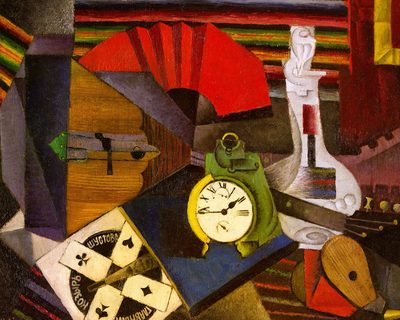
The Alarm Clock, 1914
From $49
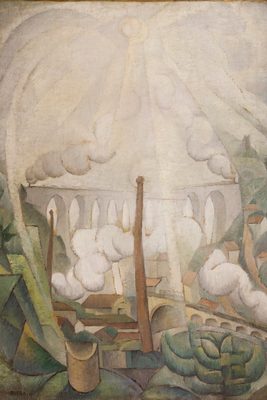
The Sun Breaking through the Mist, 1913
From $49
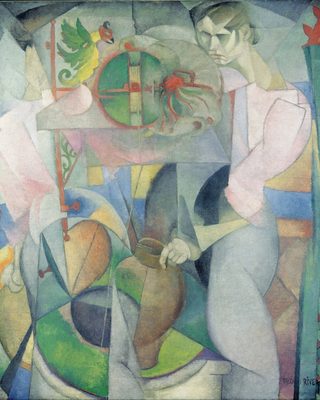
The Woman at the Well, 1913
From $49
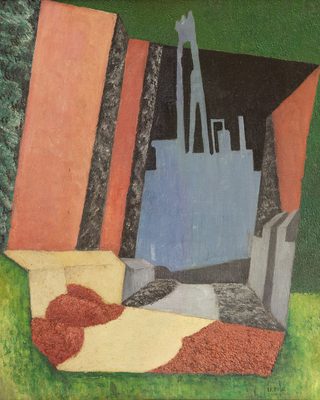
Urban Landscape, 1916
From $49
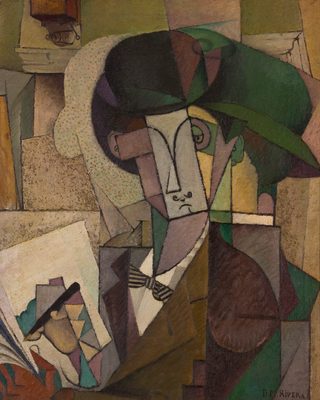
Young Man with a Fountain Pen, 1914
From $49
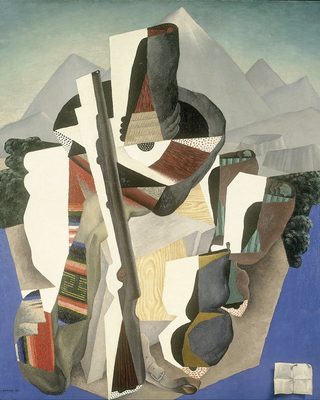
Zapata-style Landscape, 1915
From $49