Scale reference
Other marketplaces
About the artist
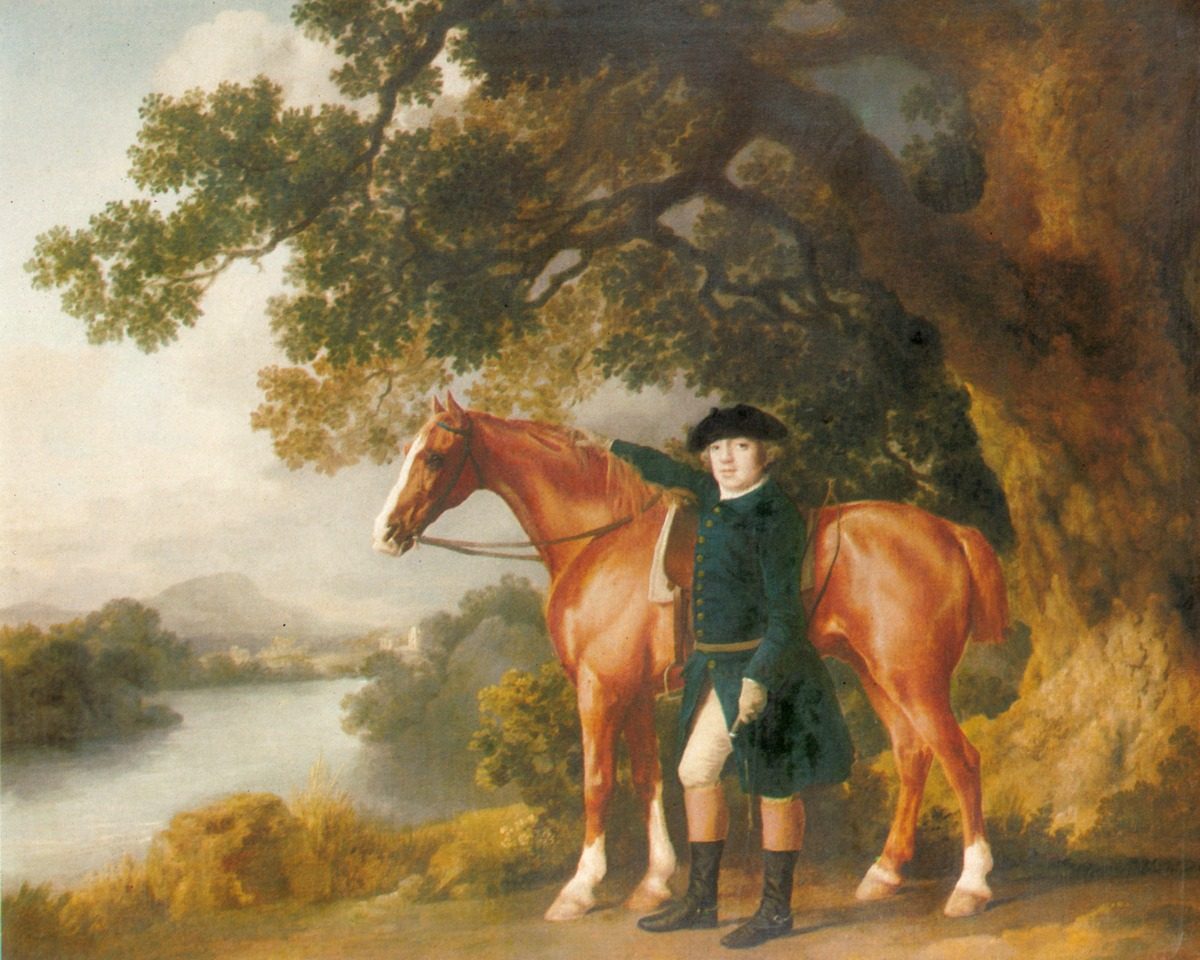
George Stubbs (1724-1806) was an English animal painter and anatomical expert born in Liverpool who revolutionized equine art through scientific study and artistic mastery. Though briefly apprenticed to a painter, Stubbs was largely self-taught, developing his distinctive approach to animal portraiture. During the 1750s, he conducted meticulous anatomical research, spending 18 months dissecting horse specimens at a Lincolnshire farmhouse, which resulted in "Anatomy of the Horse" (1766), a major reference work for naturalists and artists alike. Stubbs became renowned for his precise depictions of horses, creating celebrated works including "Whistlejacket" (1762) and "Cheetah with Indian Attendants" (1764). Beyond equine subjects, he documented exotic animals including lions, tigers, giraffes, and rhinoceroses observed in private collections. His final project, a comparative anatomical study examining human, tiger, and fowl structures, was completed with 100 drawings and 18 engravings, published posthumously in 1975. Stubbs's legacy established him as the preeminent animal painter of his era, combining scientific precision with artistic sensitivity in masterworks that remain unsurpassed in capturing animal anatomy and character.
Details
- Artist
- George Stubbs
- Title
- Portrait of a Huntsman, 1768
- Sizes
- 14 × 11 in, 20 × 16 in, 30 × 24 in
- Printed
- To order, in the USA
- Reference
- 96889
More by George Stubbs
See all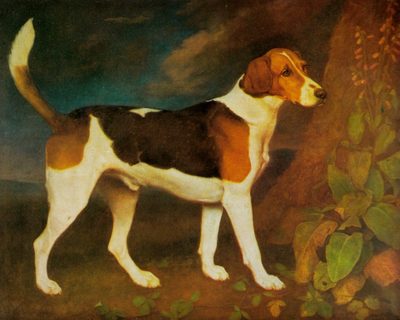
A Foxhound, Ringwood
From $49
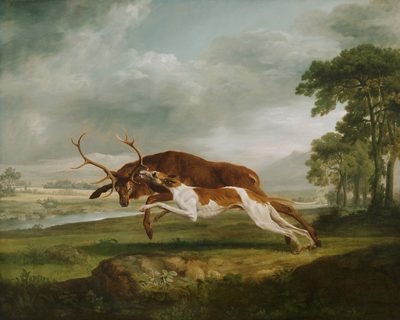
Hound Coursing a Stag
From $49
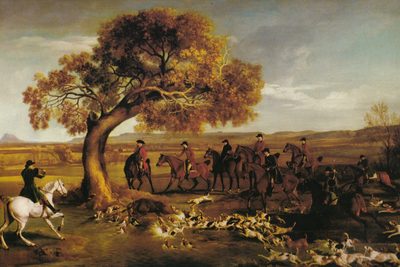
The Grosvenor Hunt
From $49
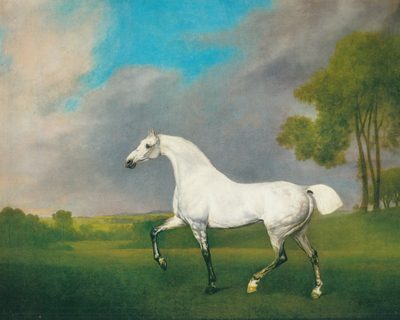
A Grey Horse
From $49
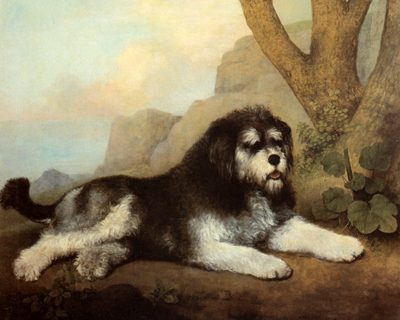
A Rough Dog
From $49
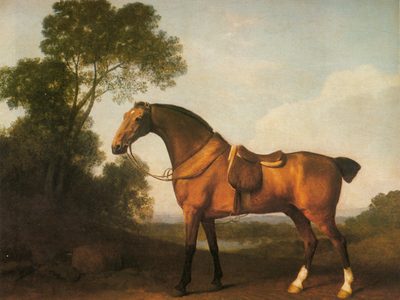
A Saddled Bay Hunter
From $49
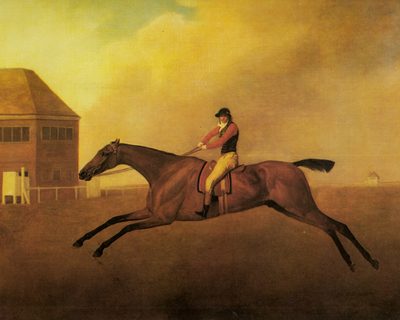
Baronet with Samuel Chifney
From $49
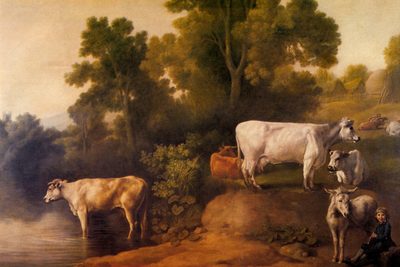
Cattle by a Stream
From $49
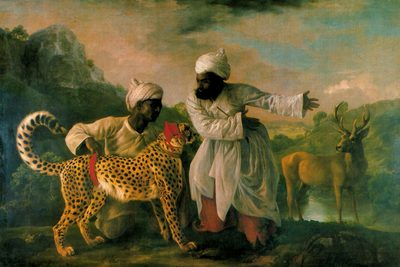
Cheetah with Indian Attendants
From $49
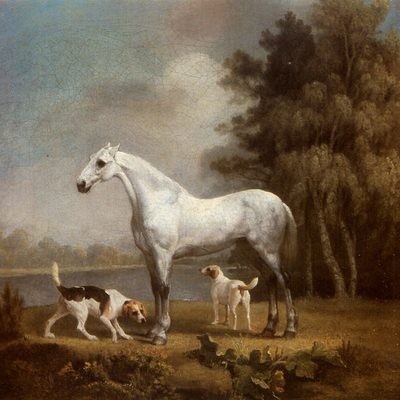
Dapple Grey Hunter and Foxhounds
From $59
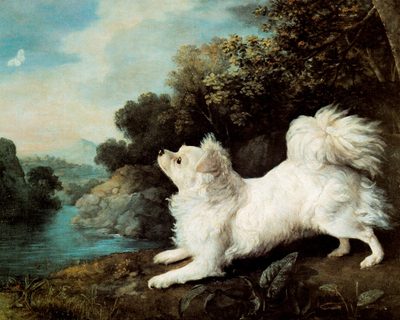
Dog and Butterfly
From $49
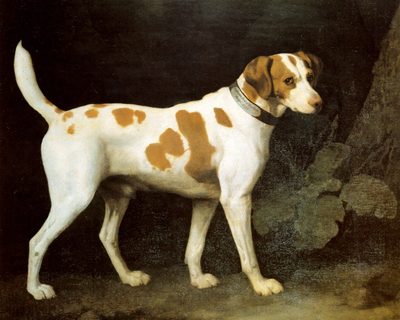
Dog Belonging to Earl of Chatham
From $49
Similar artworks
Earl Grosvenor's Bandy
George Stubbs
From $49
Pumpkin with a Stable Lad
George Stubbs
From $49
George Washington at Mount Vernon
Alfred Jacob Miller
From $49
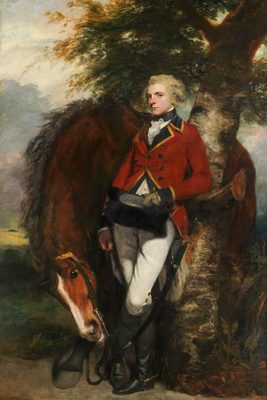
Captain George K H Coussmaker
Joshua Reynolds
From $49
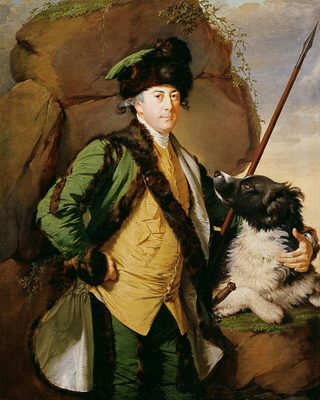
John Whetham of Kirklington
Joseph Wright
From $49
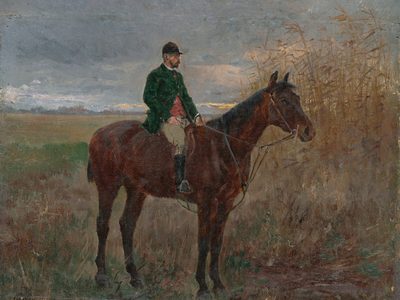
Study of a Rider on a Horse
Laszlo Mednyanszky
From $49
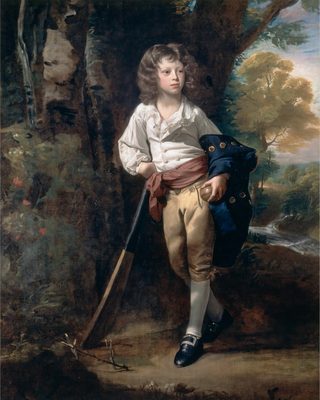
Richard Heber
John Singleton Copley
From $49
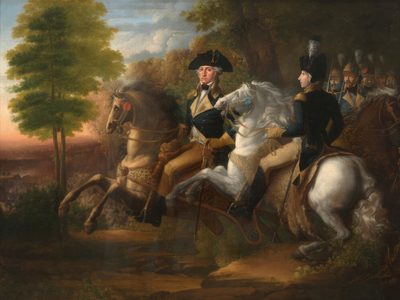
Washington and Lafayette at the Battle of Brandywine
John Vanderlyn
From $49
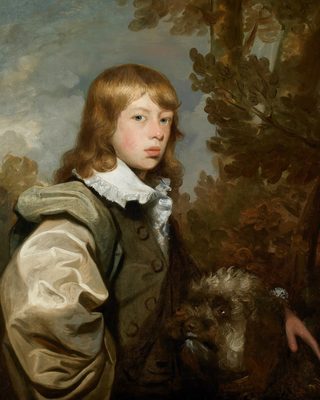
Portrait of James Ward
Gilbert Stuart
From $49
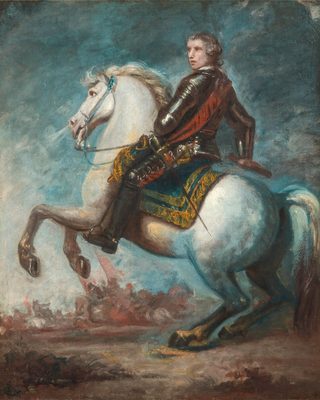
Sir Jeffrey Amherst
Joshua Reynolds
From $49
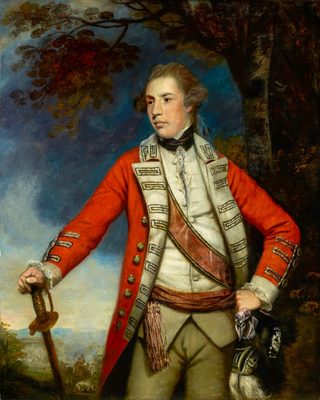
Captain Arthur Blake
Joshua Reynolds
From $49