Other marketplaces
Scale reference
About the artist
Umberto Boccioni (1882–1916) was an influential Italian painter, sculptor, and theorist who became central to the Futurist movement. Born in Reggio di Calabria and trained under Giacomo Balla, Boccioni relocated to Milan in 1907 where he helped define Futurism's visual language by translating Filippo Marinetti's literary theories into visual art. His works, including Unique Forms of Continuity in Space, The City Rises, and The Street Enters the House, exemplified Futurist dynamism through fragmented, swirling forms that conveyed motion, energy, and the essence of modern technology. Boccioni's paintings and sculptures represented symbols of violence, power, and speed central to the movement's ideology. His 1912 sculptural manifesto advocated revolutionary materials like glass and cement. Boccioni's premature death in 1916 from a riding accident at age 33 essentially concluded Futurism's vital period, cementing his legacy as the movement's most talented practitioner.
Details
- Artist
- Umberto Boccioni
- Title
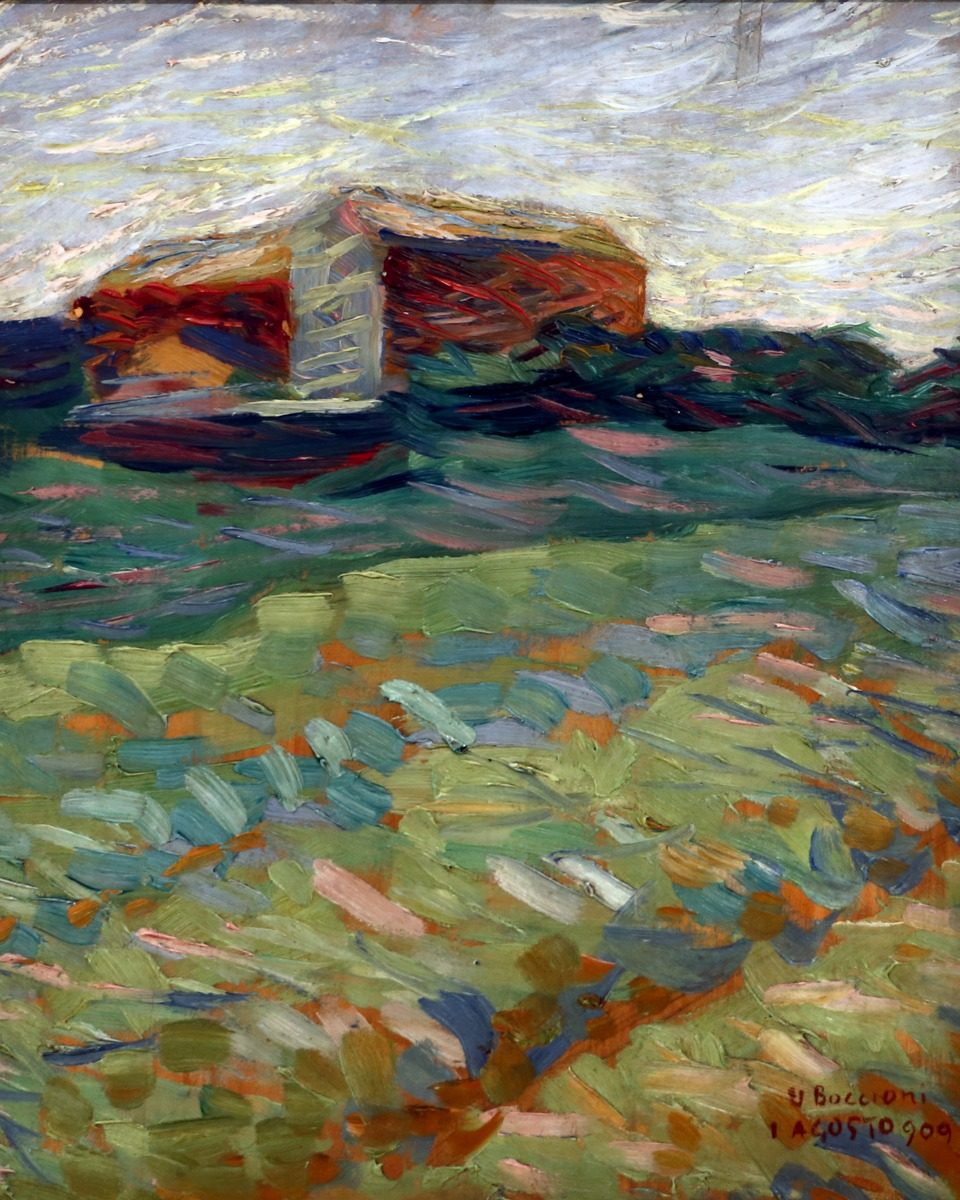
- Landscape, 1909
- Sizes
- 11 × 14 in, 16 × 20 in, 24 × 30 in
- Printed
- To order, in the USA
- Reference
- 74493
More by Umberto Boccioni
See all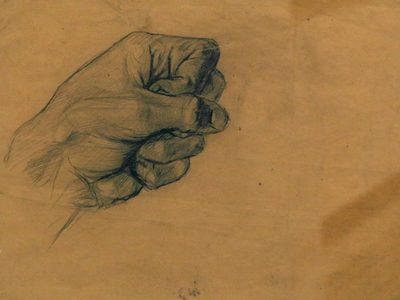
A Man Making a Fist
From $49
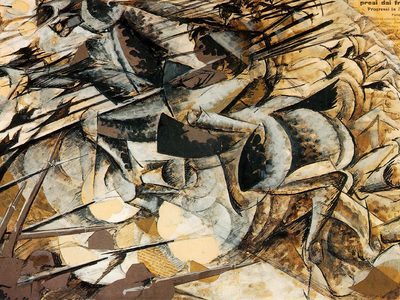
Charge of the Lancers
From $49
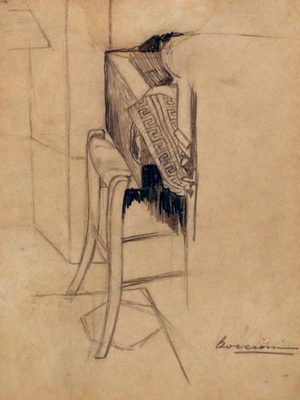
Composition with Chair
From $49
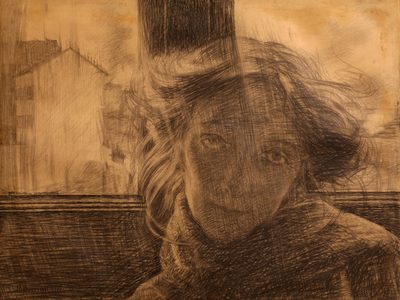
Controluce
From $49
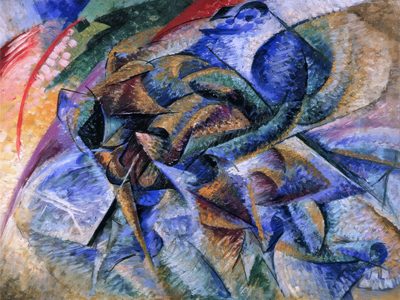
Dynamism of a Cyclist
From $49
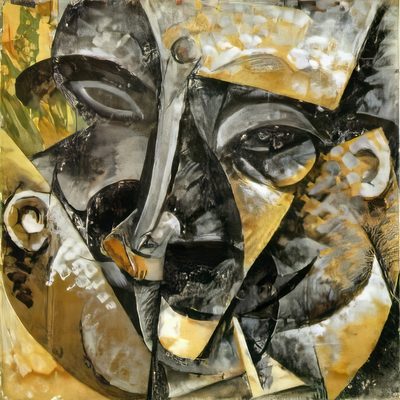
Dynamism of a Man's Head
From $59
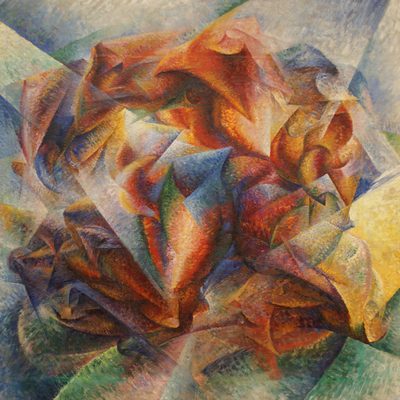
Dynamism of a Soccer Player 1913 V2
From $59
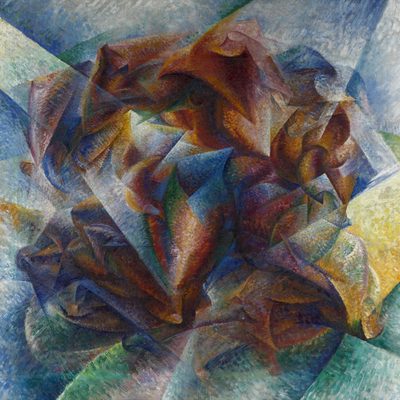
Dynamism of a Soccer Player
From $59
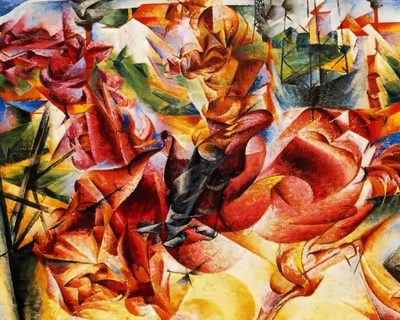
Elastic
From $49
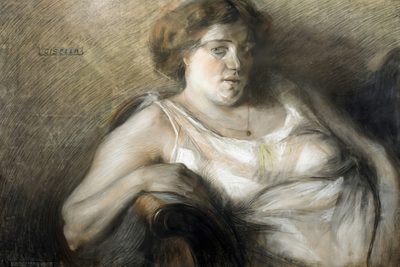
Gisella
From $49
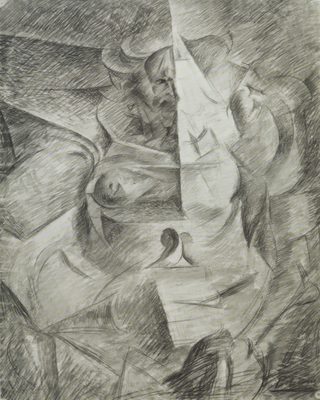
Head, House, Light
From $49
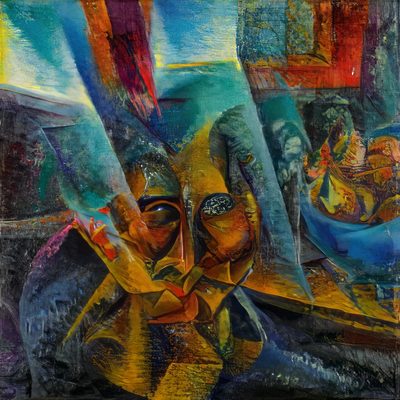
Head, Light, Environment
From $59
Similar artworks
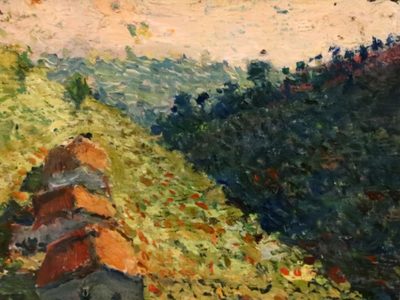
Landscape with Houses
Umberto Boccioni
From $49
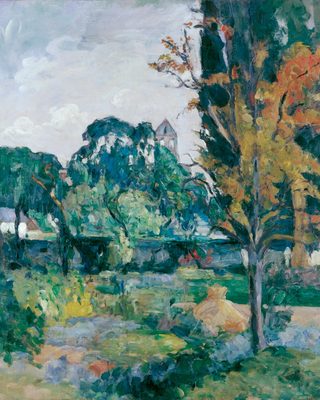
Landscape with Tower
Paul Cezanne
From $49
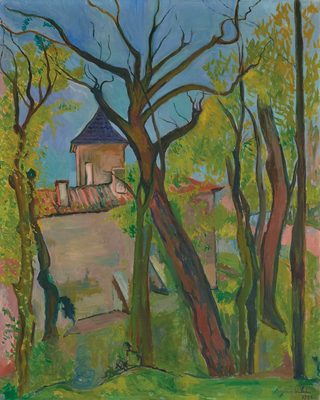
Landscape at Saint-Bernard
Suzanne Valadon
From $49
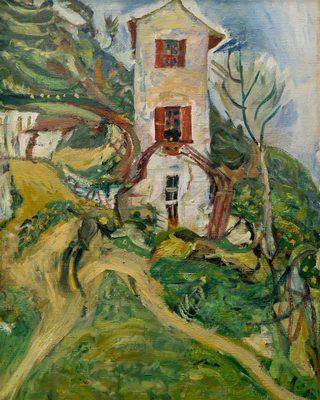
La Maison Blanche
Chaim Soutine
From $49
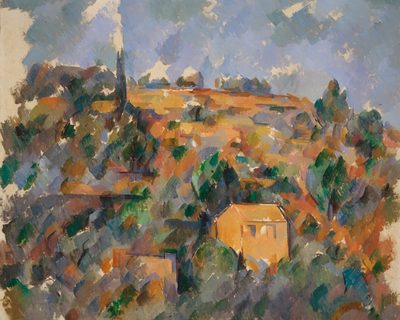
House on a Hill
Paul Cezanne
From $49
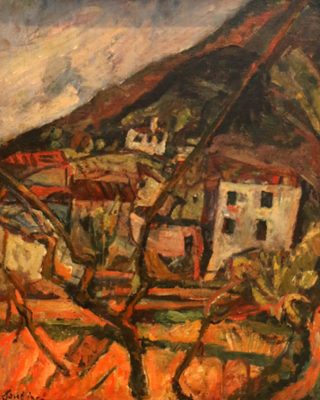
Vue d'un village Ceret en Roussillon
Chaim Soutine
From $49
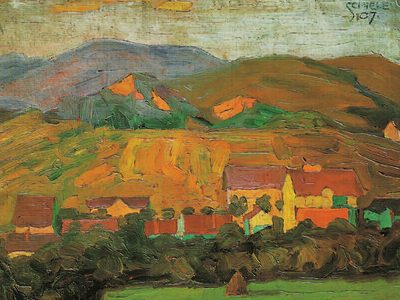
Village with Mountains
Egon Schiele
From $49
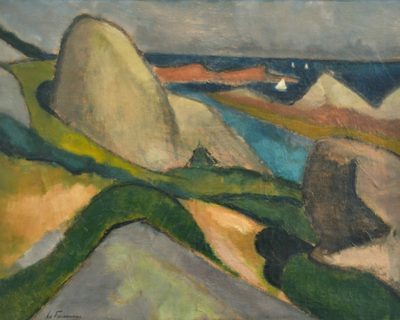
Ploumanac’h
Henri Le Fauconnier
From $49
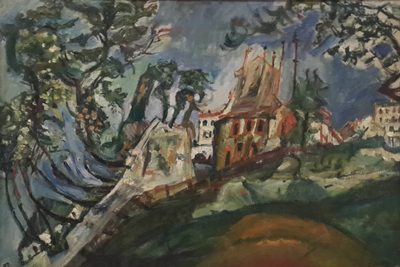
Landscape of Montmartre
Chaim Soutine
From $49
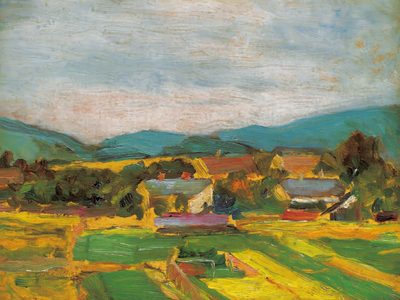
Landscape in lower Austria
Egon Schiele
From $49
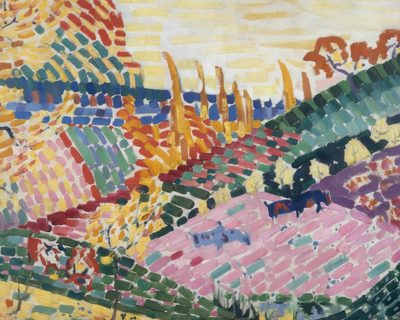
Landscape with Cows-
Robert Delauney
From $49
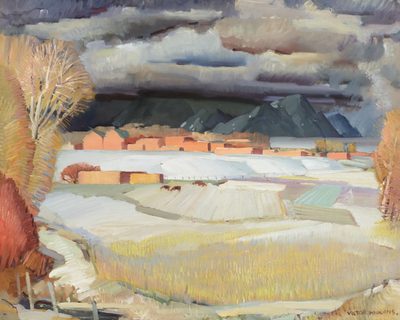
Taos in Winter
Victor Higgins
From $49